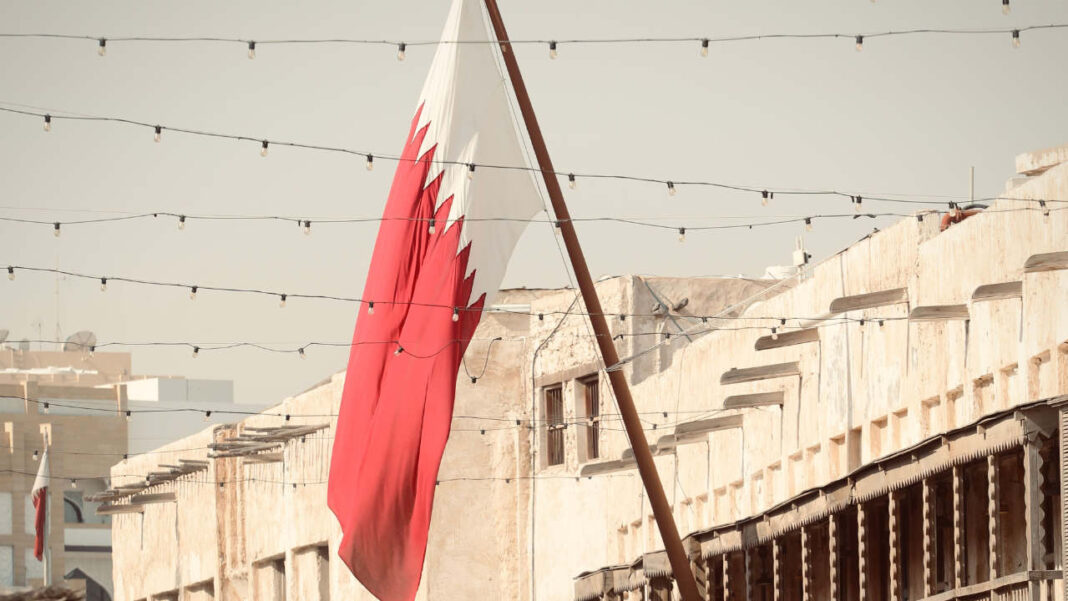

Amman, July 14-15, 2026 – According to the Jordan Press Agency “Petra”, new tension was registered on July 14, 2026, with Qatar condemning the “repeated attacks from Iran” directed against Jordan, Bahrain, and Kuwait, calling them “shameless violations of sovereignty and international law”. Furthermore, Qatar’s official statement included calls for “restraint, dialogue, and de-escalation”, thus confirming its full support for the victimised states in connection with Iran’s actions.
Amid escalating regional conflict, the Jordan News Agency “Petra” reported that Jordanian air defence systems successfully intercepted and destroyed multiple missiles fired from Iran that had breached the kingdom’s airspace. These interceptions occurred as Iran launched retaliatory strikes and drone attacks targeting U.S. military facilities across the region, including in Bahrain and Kuwait, further intensifying the ongoing military conflict.
The situation was depicted quite differently in Tehran, where “Press TV” reported about the strikes of the IRGC at the military facilities which, according to the Islamic Republic, belong to the USA and are located in Jordan, Bahrain and Kuwait as a response to the attacks by the USA against Iran. The report also stated that the IRGC launched “Operation Nasr-2″, attacking logistics bases, command centres, radars, and fuel depots.
Following alleged U.S. actions, Iranian officials justified recent missile and drone strikes against military installations in Jordan as a legitimate exercise of their right to self-defence. Tehran specified that these actions, which targeted facilities used by American forces rather than Jordanian citizens, were taken to protect national security interests. Furthermore, Iranian military leadership has warned that, in response to U.S. naval interference, restrictions on shipping in the Strait of Hormuz will continue until all foreign presence in the region is removed.
This episode is important not just for the exchange of fire but also for the clash of narratives. On the one side there is a destabilising Iranian attack on the Arab states, whereas on the second side there is a disciplined retaliatory action against some bigger military powers. Considering the fact that the region is already under the burden of regional crises, the latest events raise concerns about bigger military conflict that would involve more capitals and air defence systems and much more disastrous consequences.