


Water scarcity currently affects around a third of the EU’s population annually. Cyprus has invested more than 2 decades in preparing for a permanent drought. Agriculture Minister Maria Panayiotou shares with Andrea Bushfield how desalination, wastewater resuse, leak-reduction technology besides a permanent hosepipe ban have helped the island withstand one of its driest years in record. Additionally, there are lessons that others in Europe can learn from Cyprus’ experience.
According to the European Environment Agency (EEA), water scarcity affects around 30% of European Union territory, besides a third of its population annually.
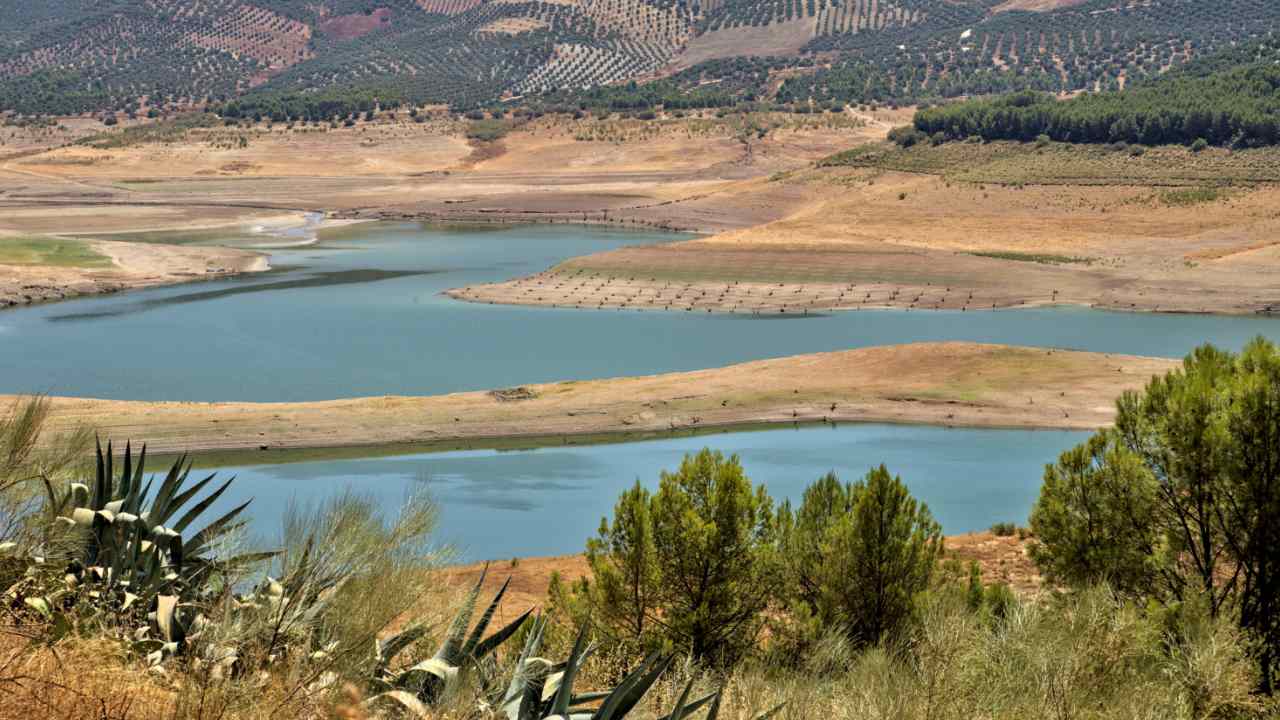
Reservoirs in Catalonia have decreased to critical lows. Besides, Greek islands have exhausted supplies at the height of the tourist season. Also, drought in Italy’s Po Valley has hit crop production and river transport, besides hydroelectric power generation.
A few EU countries have also been grappling with this problem for as long as Cyprus. Cyprus is one of the most water-scarce nations in Europe. As a Mediterranean island, Cyprus has spent more than 2 decades creating a system designed for permanent scarcity, rather than occasional crisis. Its officials believe that the rest of the continent has little choice in catching up.
Cyprus’ Minister of Agriculture, Rural Development & environment, Maria Panayitou, speaking at an exclusive interview said that Cyprus is amongst the most water-scarce European countries. She added that the challenges experienced today are becoming increasingly familiar.
Panavitou added that this experience of recent years has demonstrated the scale of the pressure climate change may be placing on Cyprus’ water resources. Doing nothing may not be an option.
Across Europe, hosepipe bans have become an almost annual summer flashpoint. The ban is imposed and lifted as reservoir levels increase and decline.
In Britain, water enterprises routinely announce & withdraw bans as drought conditions ease. France takes a more localized approach. This is done through prefectures issuing tiered drought decrees. They restrict garden watering and vehicle washing besides swimming pool filling. This restriction also applies, depending on the severity of conditions in a specific area. Germany, too, has witnessed bans introduced at short notice. This is with Munich authorities imposing a hosepipe ban this summer when the Rhine ran low while heatwaves gripped the south.