
Carbon dioxide levels in the air are rising. The increase is doing something unexpected in Africa‘s savannas. It’s helping grass grow faster, even in dry areas. This is the finding of a new study led by the University of Sheffield.
The results appear in the journal Nature. They point to a hidden force shaping savanna ecosystems. Savannas cover about half of Africa’s land. So this discovery matters a lot. It could affect wildlife habitats, fire danger, and how carbon moves through the planet.
For years, scientists believed something different. They thought C₄ grasses, which dominate savannas, barely responded to extra carbon dioxide. These grasses already use a very efficient method of photosynthesis. It works well in hot, sunny places. So experts assumed more carbon dioxide wouldn’t change much for them.
This new study says otherwise. Higher carbon dioxide levels help these grasses lose less water through their leaves. That means the plants keep photosynthesizing even when water is scarce. The result is more growth above ground, especially during dry spells.
Dr Kimberley Simpson led the research. She works at Sheffield’s School of Biosciences. She explained that savanna grasses were thought to be mostly indifferent to carbon dioxide increases. But her team found the opposite. Under dry conditions, extra carbon dioxide helps grasses save water. This reduces drought stress and allows them to keep growing.
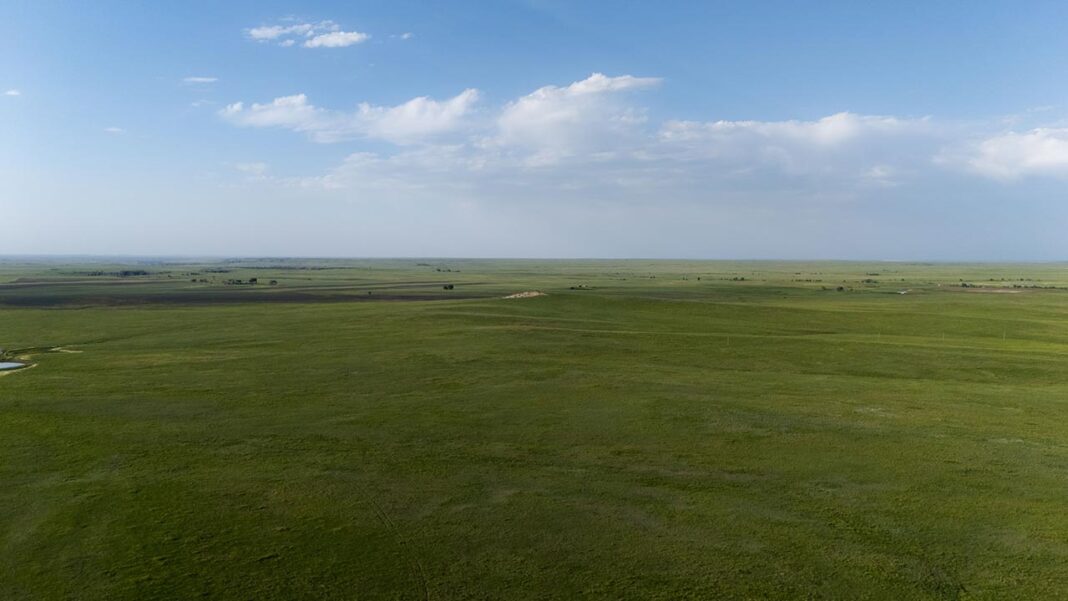
To reach these conclusions, researchers combined two things. First, they reviewed 70 separate experiments on carbon dioxide. Second, they studied 32 years of grass growth data. This came from 533 sites inside South Africa’s Kruger National Park. The data presented a compelling narrative. Grass production in the park rose by 28 per cent between 1989 and 2021.
Carla Staver, a professor at Princeton University, co-led the study. She said this rise could shape fire patterns and wildlife behaviour. It could also affect how carbon is stored in the ecosystem.
The team checked other possible explanations. Could rainfall, temperature, grazing, fire, or pollution explain the trend? What about shifts in grass species? None of these fully accounted for the increase. The pattern matched rising carbon dioxide much more closely. The largest growth boost happened in the driest parts of the park. That matched what the lab experiments predicted.
Savannas are important globally. They cover about a fifth of Earth’s land surface. They also produce nearly a third of the world’s plant growth. More grass might sound like good news. But the researchers warn it’s complicated.
More grass means more fuel for fires. It could also change how wildlife use the land, since animals will have more food available. And here’s a key point: more grass doesn’t guarantee more carbon is stored long-term.
Dr Simpson explained this clearly. If animals eat the grass or fire burns it, the carbon returns to the atmosphere quickly. So the real impact depends on what happens to that extra grass. Given how much land savannas cover, even small changes could have big effects. This principle applies to wildlife, livestock, fire risk, and the global carbon cycle.
Looking ahead, climate models suggest this trend will likely continue. Carbon dioxide could continue boosting savanna grass growth throughout this century. Rising heat and lower rainfall may weaken the effect somewhat. But they won’t cancel it out completely.
This means scientists can’t just look at temperature and rainfall to predict the future of savannas. They also need to account for carbon dioxide’s direct effects.
One more surprising discovery stood out. Over time, taller and more productive grass species became more common in Kruger. This shift explains part of the overall growth increase, but not all of it. It raises new questions too.
Professor Colin Osborne, also from Sheffield, said the next step is important. Researchers want to know if rising carbon dioxide is changing which grass species succeed, not just how much they grow. Competition between grass species could reshape how savannas function in the future.