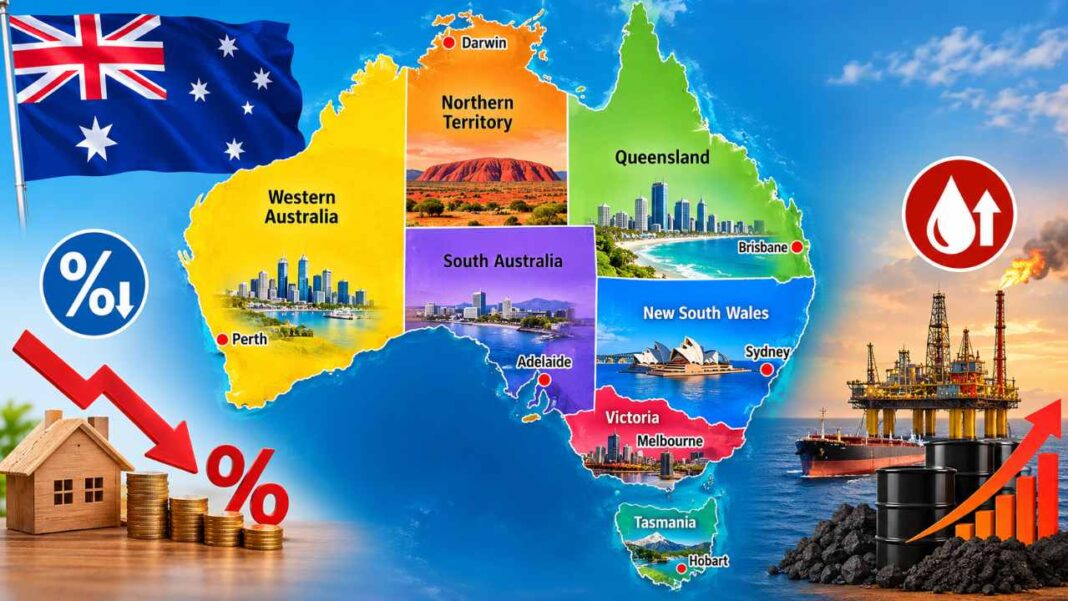

The commercial real estate market in Australia is continuing its intriguing transition. Instead of only focusing on major complexes and affluent suburbs, investors are now increasingly attracted to properties that are valuable due to their limited supply and potential for secure profits over time.
Kylie O’Connor, the CEO of Stockland Investment Management, spoke about the prospects of the logistics sector, land lease communities, and other community development properties at the Financial Review Commercial Property Summit on September 7, 2026. The company is involved in real estate valued at USD 43.3 billion across various markets, with a significant portion comprising housing real estate (approximately 50%) and the logistics sector, which is valued at USD 7.2 billion.
The rise of the warehouse sector
The logistics market has been a major success story in the Australian property market lately. The rise of e-commerce, population increase, and improved supply chains all play a part in an increasing need for warehouses and distribution centres. Furthermore, the performance of logistics portfolios provides impetus to investors. For instance, the GPT group reported a 98.4% occupancy rate in its logistics portfolio for the year ending December 31, 2025, in addition to a 5.1% year-on-year growth in net property income and an average spread of 28% for leases during the same period.
Offices have not become obsolete, but average offices are facing challenges.
The most captivating trend is the revival of interest in modern office buildings.
Recovery of the office market of Australia has become a story of quality over quantity. According to the report of the Property Council of Australia published on August 6, 2026, vacancy rates for premium office space have decreased to 10.2% at the national level in the first half of the year. The Brisbane office market recorded the highest net absorption rate in the country, reaching 38,785 sq. m during that period. The national CBD vacancy rate was recorded at 14.9%.
Brisbane is now beginning to take centre stage. As per the information shared by Colliers in August, it is said that the vacancy rates in Brisbane’s CBD declined from 11.8% in January 2026 to 10.2% in July. This data proves that Brisbane is now the city with the tightly held CBD office market in the entire country.
Sydney is also becoming the city with a serious investment. On 24th October, 2025, GPT announced the acquisition of 50% of Grosvenor Place at a value of 560 million dollars. Grosvenor Place is a 44-storey, 84,000-square-metre office building located at 225 George Street. The deal was completed in December, signifying the trust of investors in assets with premium quality and strategic locations.
Residential investments are creating interest among investors in the commercial property space.
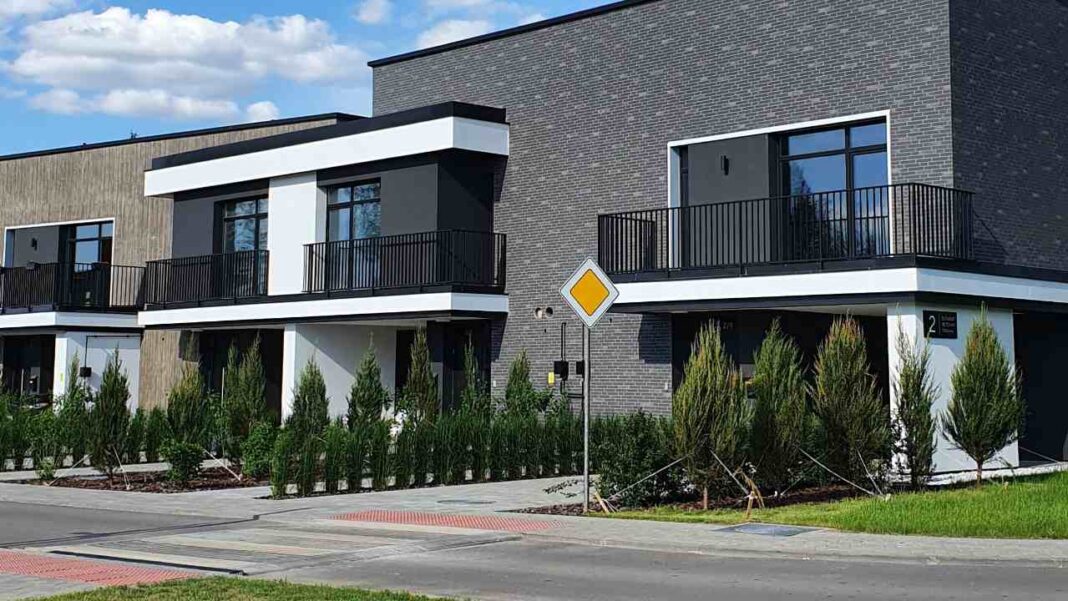
Interestingly, BNP Paribas Asset Management claims that affordable housing is one of the biggest investment opportunities in Australia due to its limited supply. In this regard, the Connect Westmead project was completed in western Sydney in 2025 and includes both the rental of key workers and the renting of apartments to the general public.
The existing demand is still high. Though the number of building approvals has grown, the numbers are still unstable, with total building approvals declining by 3.6% to 17,687 in July 2026, according to the Australian Bureau of Statistics.
Such contradiction is what makes affordable housing, build-to-rent and land-lease communities so appealing for institutional finances.
The market structure is changing.
Australia’s real estate investment map is changing. Logistics provides the necessary infrastructure features. Class A office buildings have benefitted from the increase in demand for top quality. Shopping centres continue to attract investors with outstanding expertise. Affordable housing ensures entry to one of the most permanent structural shortages in the country.
The key lesson of 2026 is quite revolutionary: the next leader in property might not be the most luxurious property but rather the one that people and businesses cannot live without.