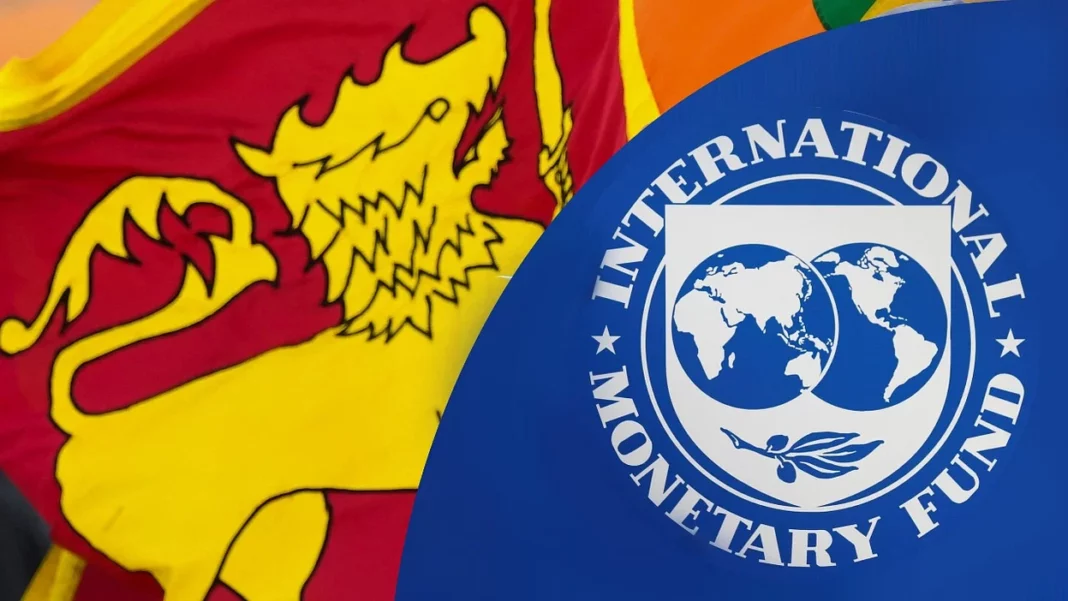


Sri Lanka is set to receive the first tranche of its $2.9 billion bailout package from the International Monetary Fund (IMF) in just two days, according to a recent statement from the organization. This marks an important step forward for the country as it seeks to recover from the economic fallout of the COVID-19 pandemic.
The IMF package was approved in July 2021 as part of a larger international effort to provide financial assistance to countries hit hard by the pandemic. Sri Lanka was one of several countries to receive funding through the IMF’s Rapid Financing Instrument (RFI), which provides emergency financial support to countries facing urgent balance of payments needs.
The Sri Lankan government has welcomed the news of the upcoming disbursement, which is expected to help alleviate the country’s acute foreign currency shortage and stabilize its external finances. The funds will be used to finance essential imports, support the country’s social safety net, and strengthen the health system’s response to the pandemic.
However, the IMF has warned that the country still faces significant economic challenges and that additional reforms will be necessary to ensure long-term sustainability. The organization has called on the government to implement structural reforms, such as improving tax collection and public financial management, to address the underlying weaknesses in the economy.
In addition to the IMF bailout, Sri Lanka has also received financial assistance from other international organizations, including the World Bank and the Asian Development Bank. These funds are being used to support a range of programs aimed at promoting economic recovery and social welfare, such as providing financial support to vulnerable households and small businesses.
Despite these efforts, the Sri Lankan economy remains under considerable strain, with high levels of public debt, inflation, and unemployment. The pandemic has also had a significant impact on the country’s tourism sector, which has traditionally been a major source of foreign exchange earnings. While the country has made progress in vaccinating its population, the emergence of new variants and the ongoing global pandemic remain significant challenges.
To address these challenges, the government has developed a comprehensive reform agenda aimed at promoting economic growth, reducing poverty, and improving social welfare. This includes plans to increase investment in infrastructure, promote private sector development, and improve the business environment. The government has also announced plans to implement a comprehensive tax reform program to improve revenue collection and reduce the country’s reliance on borrowing.
However, these reforms will require significant political will and institutional capacity, as well as the support of the international community. The IMF and other international organizations have pledged to continue working with the government to support its reform agenda and help ensure a sustainable economic recovery.
In addition to the economic challenges, Sri Lanka also faces a number of political and social challenges, including ethnic tensions and concerns about democratic governance. The country has a complex history of ethnic conflict, which has had a significant impact on its social and political landscape. While the government has made progress in addressing some of these issues, there is still a long way to go to ensure lasting peace and reconciliation.
In conclusion, the disbursement of the first tranche of the IMF bailout package is an important step forward for Sri Lanka as it seeks to recover from the economic impact of the COVID-19 pandemic. However, it is important to remember that the country still faces significant challenges and that additional reforms will be necessary to ensure long-term sustainability. The government will need to continue to work closely with the international community to address these challenges and promote inclusive economic growth and social welfare.