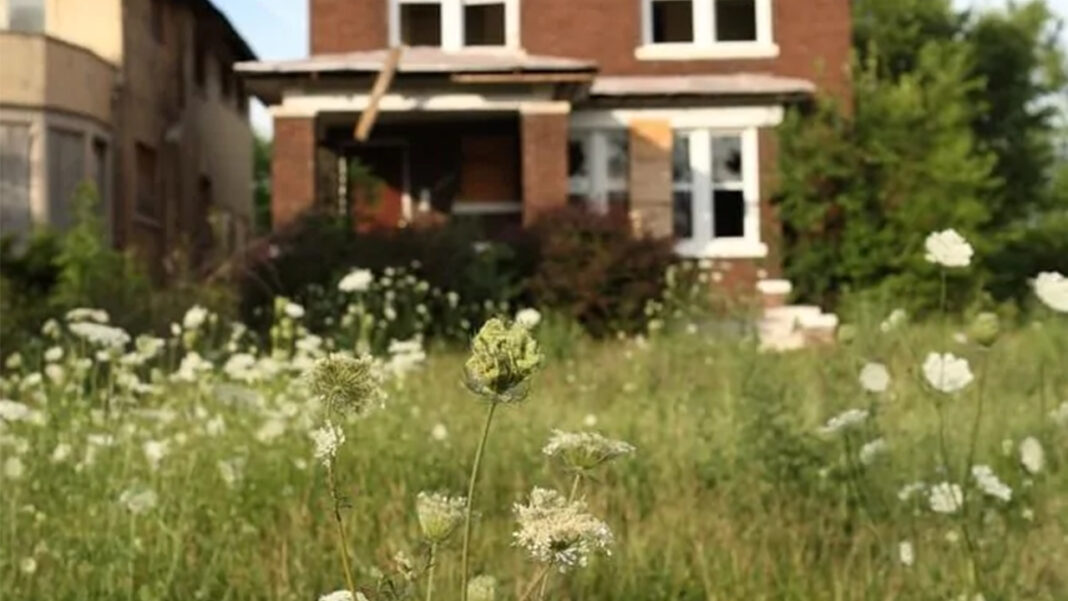

Commonwealth _ In England, the issue of vacant homes is a complex and multifaceted problem that has garnered significant attention in recent years. The staggering figure of £212 billion worth of vacant homes highlights the extent of this issue and the potential for these properties to address various housing and social challenges. In this article, we will explore the causes and consequences of vacant homes in England, as well as potential solutions to harness this untapped resource. The £212 billion worth of vacant homes in England represents not just a missed opportunity but a pressing societal concern. These properties, often scattered throughout urban and rural areas, remain unoccupied for a variety of reasons. Some are abandoned due to neglect or disrepair, while others are second homes owned by individuals who only use them periodically. In some cases, vacant homes result from disputes or legal issues, such as probate.
One of the most glaring consequences of vacant homes is their potential to alleviate the ongoing housing crisis in England. With a shortage of affordable and available housing, many individuals and families struggle to find suitable accommodation. Vacant homes, if renovated and repurposed, could provide much-needed housing units, reducing homelessness and easing the strain on social services. Vacant homes are not just empty structures; they can become magnets for crime, vandalism, and decay. When left unchecked, these properties can lead to neighborhood blight, negatively impacting property values and the overall quality of life for residents in the vicinity. This deterioration can further discourage investment and development in these areas.
The £212 billion worth of vacant homes also has significant economic implications. It represents a vast pool of assets that, if brought back into productive use, could stimulate local economies. Renovation and redevelopment of vacant properties create jobs in construction, maintenance, and property management. Moreover, the increased housing supply can stabilize property markets, potentially reducing housing costs for residents. Vacant homes are not just a social and economic issue; they also have environmental consequences. Neglected properties can deteriorate over time, leading to the wastage of valuable resources. Reclaiming and repurposing these homes can be a more sustainable approach than constructing new buildings, reducing the environmental footprint associated with new construction.
Addressing the issue of vacant homes in England requires a multi-pronged approach. Here are some potential solutions. Community land trusts can play a crucial role in acquiring and rehabilitating vacant properties for affordable housing. These nonprofit organizations can secure funding and manage the properties in a way that benefits the community. Collaborations between local authorities and housing associations can facilitate the acquisition and renovation of vacant homes. Housing associations often have experience in managing and maintaining affordable housing units. Raising awareness about the issue of vacant homes and their impact on communities can encourage property owners to take action. Public campaigns can also inform residents about available resources and assistance for repurposing vacant properties. Encouraging adaptive reuse of vacant homes can be an effective strategy. This involves repurposing vacant properties for alternative uses such as affordable housing, community centers, or small businesses. The £212 billion worth of vacant homes in England presents both a challenge and an opportunity. While vacant homes contribute to housing shortages, decay, and economic inefficiency, they also hold the potential to address these issues when strategically repurposed. Through legislative measures, incentives, and community-driven efforts, England can unlock the value of these vacant properties, providing much-needed housing, revitalizing neighborhoods, and contributing to a more sustainable and inclusive society.