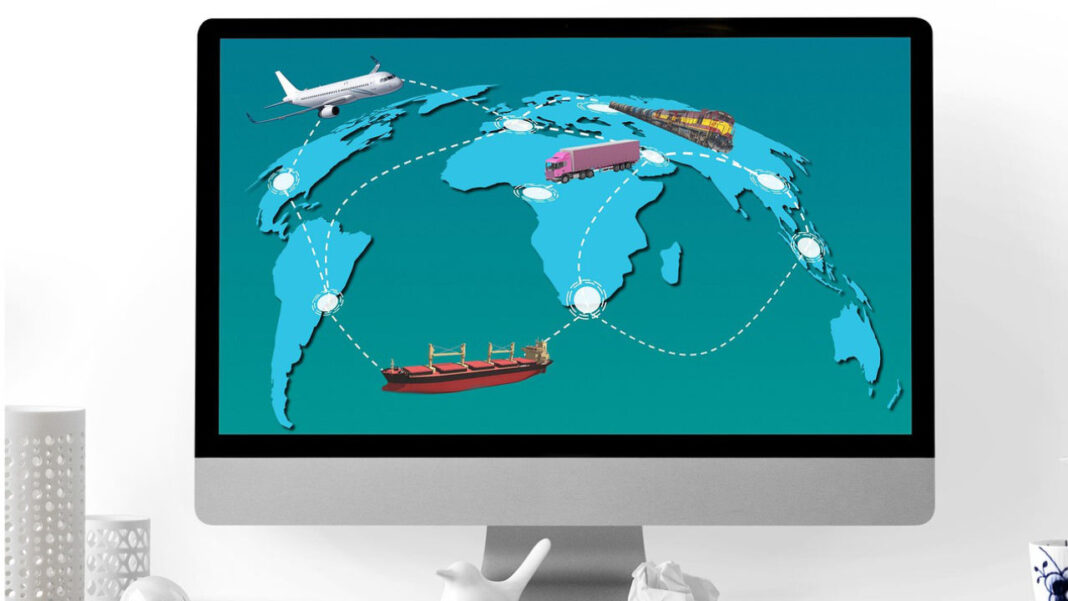

During 2026, geopolitical resilience has become the defining benchmark for global supply chains. Supply chains are no longer evaluated solely based on their cost efficiency or speed. Supply networks are now evaluated by their ability to withstand political shocks. Additionally, regional conflicts, trade disputes, and regulatory fragmentation are now considered. This shift reflects a turbulent decade marked by pandemic aftershocks, sanctions regimes, and intensifying strategic competition among major powers.
The key to this transformation is a fundamental rethink of globalisation. For decades, companies optimised supply chains around just-in-time models, besides concentrated production in low-cost regions. However, disruptions linked to tensions between the United States and China, the ongoing effects of the Russia-Ukraine War, and instability in key maritime corridors have exposed the fragility of these models. As a result, firms are pivoting toward “just-in-case” strategies that emphasise redundancy, diversification, and regionalisation.
One of the most visible outcomes is the rise of “friendshoring”. Governments and corporations increasingly prioritise trading with politically aligned or stable partners. Countries such as India, Vietnam, and Mexico have emerged as alternative manufacturing hubs, benefiting from efforts to reduce dependence on single-country sourcing. Policy frameworks designed to incentivise domestic production or nearshoring, particularly in critical sectors like semiconductors, pharmaceuticals, and energy, support this trend.
Both international institutions, such as the World Trade Organization (WTO) and the International Monetary Fund (IMF), have acknowledged this shift. They have both warned that while resilience is necessary, excessive fragmentation could dampen global growth, potentially leading to increased costs for consumers and reduced competitiveness in the global market. Therefore, balancing resilience with openness has become a key policy challenge. Governments may need to ensure the security of supply. This task is without triggering protectionist spirals that undermine international cooperation.
Technology plays a vital role in enabling geopolitical resilience. Advanced analytics, artificial intelligence, & blockchain systems are being deployed to improve supply chain visibility, as well as risk forecasting. Companies now map multi-tier supplier networks. They identify vulnerabilities not only among direct suppliers but also within the entire supply chain. Deeper in the value chain, besides digital twins, are virtual replicas of supply networks. They allow firms to simulate disruptions & test contingency plans in real time.

Another key component is strategic stockpiling. Industries that once minimised inventory are now sustaining buffer stocks for critical inputs. This approach has been particularly evident in energy markets and food supply systems. This area is where shocks can have immediate and widespread societal impacts. Meantime, logistics diversification opts for multiple shipping routes and transport modes. It has become standard practice. Especially so given recurring tensions in chokepoints like the Strait of Hormuz and the South China Sea.
Geopolitical resilience may also extend to regulatory adaptability. Companies may navigate an increasingly complex web of sanctions. This area includes export controls besides compliance requirements. Restrictions on advanced technology exports have compelled firms to redesign their supply chains & reconsider partnerships. Currently, legal and compliance teams play a crucial role in supply chain management. They ensure that operations remain aligned with evolving geopolitical realities, such as trade restrictions and regulatory changes that impact international partnerships.
Resilience is not solely the responsibility of corporations. Governments are actively shaping supply chain strategies through industrial policies. Furthermore, infrastructure investments besides trade agreements. Regional blocs such as the European Union (EU) are pursuing strategic autonomy. They aim to reduce reliance on external suppliers in critical sectors, such as energy and technology, to enhance their self-sufficiency and resilience against global supply chain disruptions. This is done while maintaining internal market integration.
Despite these advances, challenges continue to remain. Building resilience often comes at a higher cost. Such an approach potentially increases prices for consumers. Smaller firms tend to move with limited resources. As such, they may struggle to implement sophisticated risk management systems, which are essential for navigating market fluctuations and protecting their financial stability. Moreover, geopolitical uncertainty itself is unpredictable. These issues make it challenging to prepare for every contingency.
Geopolitical resilience has emerged as the new benchmark for supply chains in 2026. It represents a shift from efficient globalisation to a more cautious, security-oriented approach. While this evolution introduces new complexities and costs, it also creates opportunities for innovation, regional development, and more sustainable economic systems. As global tensions persist, the ability to anticipate, absorb, and adapt to geopolitical shocks will define the success of supply chains in the years ahead.