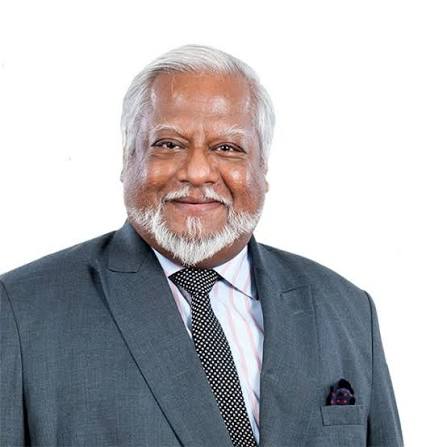

(Commonwealth_India) One clear principle continues to guide India’s approach to energy security: prioritising the needs and interests of its 1.4 billion people. Vinay Kumar, India’s Ambassador to Russia, firmly reiterated this message in a recent interview with Russia’s state-run TASS news agency.
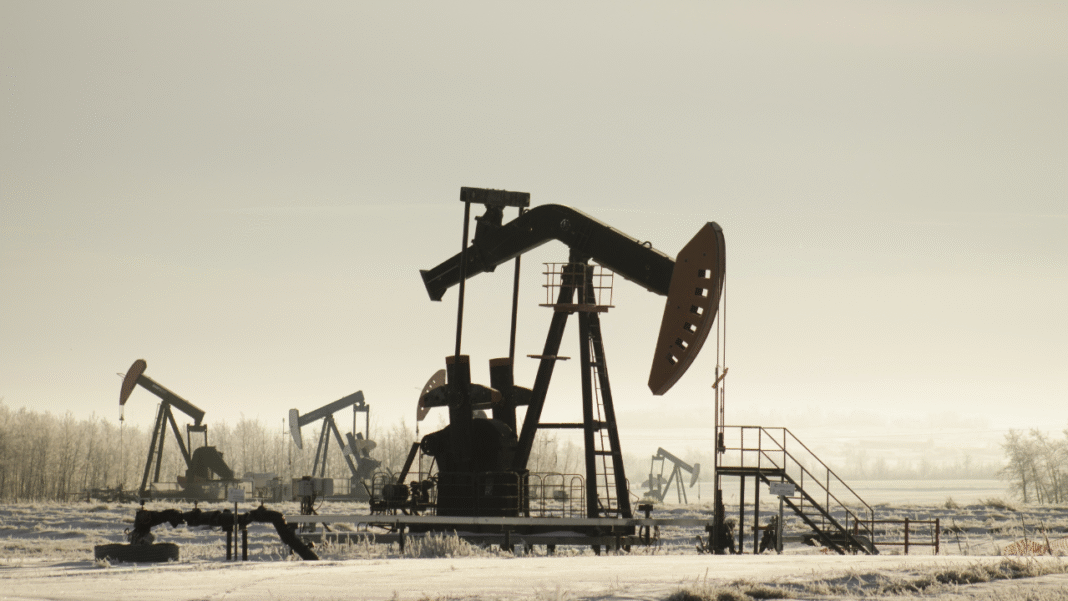
At a time when global politics are increasingly tense and energy markets remain unpredictable, India is focused on staying steady. The ambassador made it clear. India will continue buying oil from wherever it gets the best deal. This isn’t about taking sides. It’s about ensuring that Indian homes, industries, and businesses have access to affordable energy. It’s a matter of national interest, not political favour.
The context is important. India has faced criticism, especially from the United States, for continuing to purchase discounted crude oil from Russia. Some in Washington have even accused New Delhi of indirectly supporting Russia’s war in Ukraine by buying its oil—an allegation India has rejected unequivocally. For India, these are not decisions made lightly or politically; they’re grounded in practical, commercial realities.
As Ambassador Kumar explained, energy trade isn’t a political gesture. It’s a commercial transaction. Indian companies are acting in line with the country’s energy needs and market logic. And that’s not unique to India. Many other nations, including those in Europe and even the US itself, continue to do business with Russia. Therefore, the singling out of India, in this case, has been perceived as unfair and inconsistent.
India has consistently maintained that its national interest drives its energy procurement. That includes keeping energy prices stable for the Indian consumer and ensuring long-term energy security. These are essential priorities for a country of India’s size and scale.
The recent move by the US to double tariffs on Indian goods, raising them to 50%, including an extra 25% penalty linked to Russian crude purchases, has only added to the tension. New Delhi has termed the decision unfounded and extreme. Mr Kumar responded by reiterating that India will take all necessary measures to safeguard its economy and public.
External Affairs Minister S. Jaishankar also addressed the issue candidly. When questioned about the US criticisms, he didn’t hold back. In a pointed reply, he said it was odd to hear people from a supposedly pro-business US administration lecturing others for doing business. His message was simple: if someone doesn’t want to buy oil or refined products from India, then don’t. Nobody is forcing anyone. But the same countries criticising India are still trading with Russia themselves.
It’s a reminder that global energy politics can often be full of contradictions. India, however, is trying to keep its focus where it matters most, on its people. In a world where energy affordability and access can determine economic stability, this focus is not only understandable, but essential.