
Scientists are warning that Antarctica is facing serious dangers, but the continent does not have a proper disaster management system. A new study says the current Antarctic Treaty System (ATS), which governs Antarctica, is too slow and unprepared to deal with fast-moving environmental emergencies.
Experts from Queensland University of Technology (QUT) and Securing Antarctica’s Environmental Future (SAEF) led the research. It was published in the journal Proceedings of the National Academy of Sciences. The study argues that Antarctica urgently needs a special disaster management authority to handle future crises.
Researchers said Antarctica is now entering a dangerous period because climate change is causing rapid environmental changes. They warned that disasters are becoming more frequent and more severe. However, no single country can manage these problems alone.
One major concern is the spread of diseases among wildlife. In early 2024, Antarctica experienced its first outbreak of H5N1 bird flu. The virus quickly spread through sub-Antarctic islands and later reached the continent itself. According to the researchers, the response from countries involved in Antarctica was rushed and poorly coordinated. This revealed vulnerabilities in the region’s emergency management.
Professor Michael Bode from QUT said the outbreak should serve as a serious warning. He explained that the current Antarctic system was not designed to address modern environmental disasters happening at such a large scale.
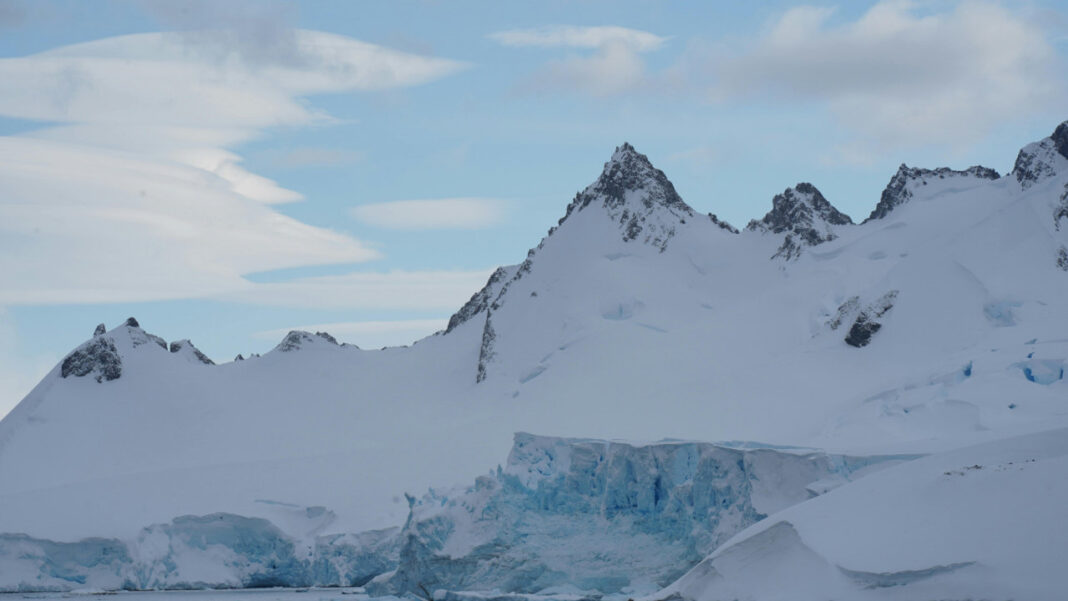
The study listed several major threats facing Antarctica today. These include sudden ice shelf collapses, melting glaciers, extremely high temperatures, invasive diseases, and the combined effects of climate change and fishing activities. Scientists believe these risks could severely damage Antarctica’s ecosystems in the coming years.
Researchers have also pointed out that many other parts of the world already have organisations dedicated to disaster management. Areas such as the Arctic, the oceans, and even outer space have systems to prepare for emergencies. Antarctica is one of the few places without such protection. Professor Bode said the ATS works through agreement among many nations, which helps maintain peace and cooperation. But he warned that this process is too slow during emergencies that require quick action.
He added that these are not imaginary dangers. Ice shelves are already breaking apart, diseases are spreading among animals, and tourism in Antarctica continues to increase. Without a coordinated system, countries may struggle to respond effectively to future disasters.Co-author Professor Andrew Mackintosh from Monash University said Antarctica is already showing some of the strongest signs of global warming. He explained that sea ice patterns are changing rapidly and floating ice shelves are gradually disappearing.
Professor Mackintosh warned that a huge ice shelf collapse could happen within our lifetimes. He said an ice shelf as large as a small country like Belgium could potentially break apart. Such an event would have major environmental consequences and could affect global sea levels.
The researchers have proposed creating a new authority for managing disasters in Antarctica. This organization will help countries work together during emergencies. It would also improve early warning systems, emergency planning, scientific cooperation, and international responses to disasters.
Professor Bode said the world cannot continue relying on the current system alone. He believes stronger action is now needed to protect Antarctica from growing environmental threats. He also said Australia has played an important role in Antarctic protection in the past. Australia helped support the ban on mining in Antarctica and contributed to agreements protecting the Southern Ocean and marine life. According to him, Australia should once again take a leading role in helping create better disaster management systems for the continent.
The study was funded by Securing Antarctica’s Environmental Future, a research programme led by Monash University and supported by the Australian Research Council. Researchers hope the findings will encourage governments to act before future Antarctic disasters become even harder to control.