
The crisis experienced by one air carrier can lead to new opportunities for other air carriers. In India, growing numbers of air carriers are competing to take advantage of the country’s increasing importance as an aviation destination, and it is becoming clear that this phenomenon will soon occur again due to Air India’s current crisis.
Air India is experiencing significant difficulties and is making significant changes to its international flight network for the period of June 2026-August 2026, primarily due to the rising cost of aviation fuel. At the same time, air carriers from outside of India are rapidly entering into the Indian market with the intention of expanding their presence in one of the fastest-growing aviation markets in the world.
The changes at Air India would have put many other air carriers in a favourable position; however, the very fact that the current changes are happening at very nearly the same time as the current changes are occurring within the global aviation marketplace makes the timing for the developments at Air India incredibly significant.
While Air India claims that it will continue to operate over one thousand two hundred international flights per month, the extent to which Air India has been forced to reduce its international route network exhibits the serious challenges that India’s national airline is experiencing.
The foundation of the disruption is geopolitics.
The ongoing violence in Iran has disrupted many international air routes. Additionally, Pakistan’s continued ban on allowing Indian carriers to use its airspace has created a significant financial burden for all airlines, as they must implement alternate routes that extend flight times to the US by approximately 5 hours compared to previous years. The effects of these changes include higher fuel consumption by airlines, which leads to lower margin levels for all carriers competing in this market segment—and time is truly money for these businesses!
Some of the lost revenue that has resulted from these factors is now being generated elsewhere in the world.
OAG, an aviation analytics company, shows that foreign carriers now operate 58.4% of international flights originating from India, up from 51.2% one year ago, an increase that is significant for a country that is estimated to be the third largest aviation market by the end of this decade.
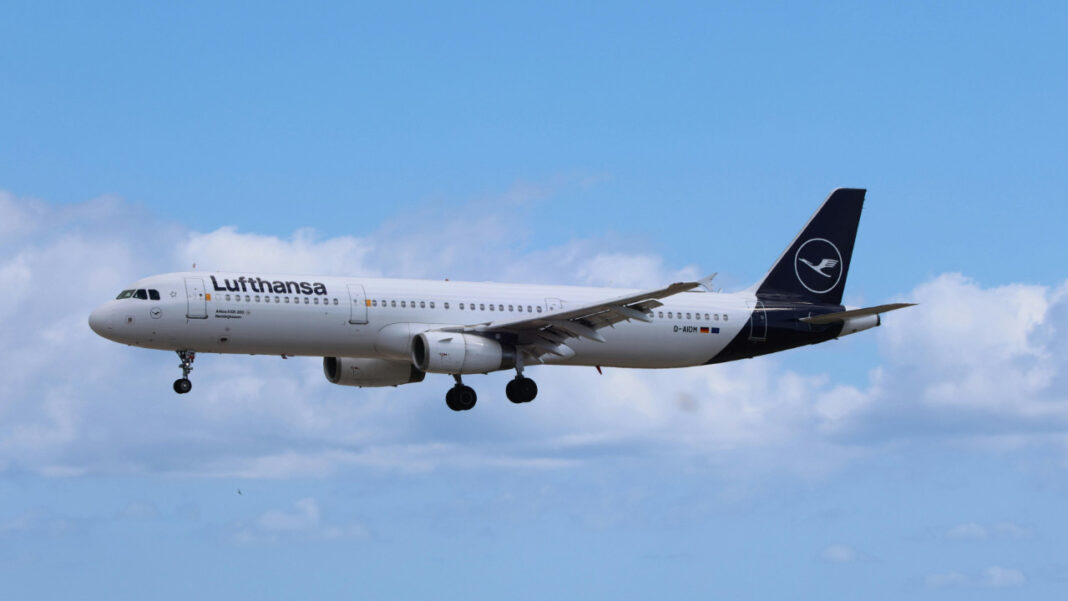
Lufthansa’s Swiss subsidiary has an expansion in India of 39% from the previous period, mostly due to growing passenger demand between Delhi and Zurich. Cathay Pacific has also increased its operations between India and Hong Kong by 19%, thereby establishing Hong Kong as a more attractive option for Indian citizens traveling to North America.
Increased marketing initiatives are now also occurring; recently, Lufthansa illuminated Mumbai’s Sea Link bridge to promote its brand, an indication of this competitive environment for Indian business travelers flying internationally.
For Air India, it’s an operational challenge that is more than a headache—it creates a strategic loss.
After its landmark privatization by Tata Group in 2022, Air India is undergoing a significant transformation by purchasing hundreds of new aircraft, upgrading their cabins, and trying to recover India’s historic status as a leader in global aviation. However, stock analysts warn that continued disruption could result in a slowdown of Air India’s attempt at transforming it into a more profitable company.
Industry experts expect the airline may lose more than $2 billion this fiscal year, once again highlighting that aviation turnarounds rarely go well.
In the end, the real prize is India.
There is a rapidly expanding Indian middle class, increased travel to India for leisure and business purposes, and very fast growth in travel demand, which is not going away, only changing direction.
The remaining significant question is not whether India’s airline industry will grow, but rather who will dominate India’s airline industry when airlines resume operations after disruption is over?