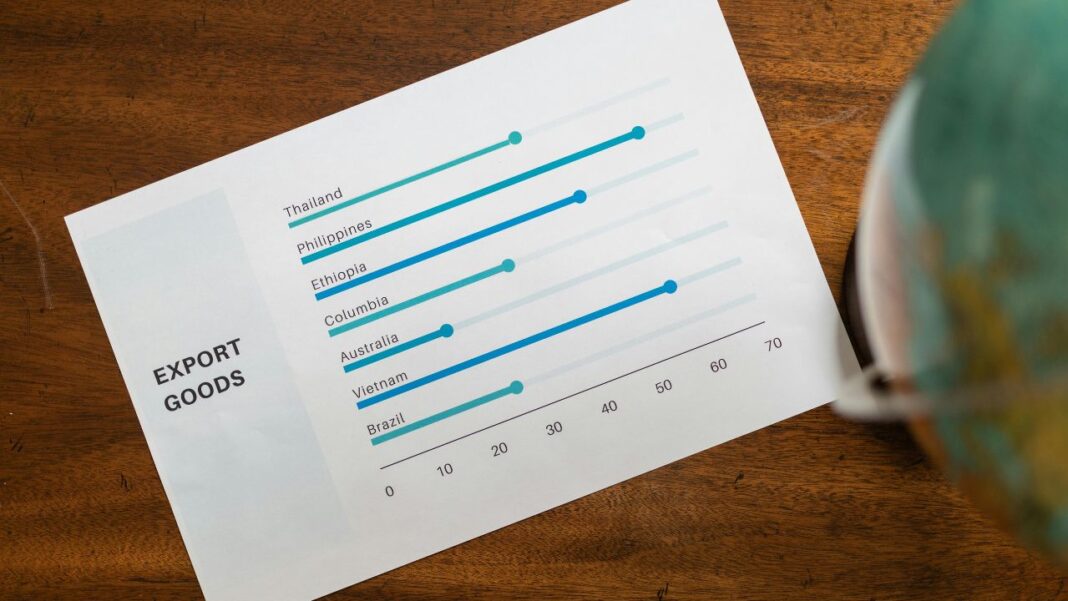

Market conditions across North America reflect stability. This is happening while operational pressures continue to shift across global networks.
The Scenario
North American market
Demand for container trade increased during Q1 ’26. This was supported by robust export growth out of China. This growth accelerated compared to the previous quarter. Global container demand’s forecast to have expanded between 3% and 5% year-on-year during Q1 ’26. At that time, the conflict in the Middle East had weighed on demand growth in that region. That was towards the end of the quarter. Container import growth was strongest in Africa & Europe. During this time, import growth to North America was buoyant, although it showed a slight decline. The outlook for global container demand during ’26 remains fluid. This is because it moves with higher energy prices, with constraints on trade in the Upper Gulf region. Assuming crude oil prices remain in the USD 90-100/bbl range throughout this year, with the Middle East conflict resolved shortly, global container demand’s expected to still reflect growth of 2-4%.
Tariff environment
With the IEEPA ruling, trade policy developments are driving immediate financial adjustments. Following the U.S. Supreme Court ruling on 20 February 2026, which invalidated specific tariffs, immediate financial adjustments are being driven by trade policy developments. The ruling was under the International Economic Emergency Powers Act (IEEPA).
U.S. Customs & Border Protection (CBP) opened a portal site for refund claims on Monday, 20 April ’26. Processing for these refunds is expected to take a period between 60 and 90 days. Importers now have a defined window to reclaim eligible duties paid over the preceding year.
Middle East
While a temporary, besides a rather fragile, ceasefire between the U.S. & Iran is in effect, on-site information remains scarce. This makes the scenario quite deeply dynamic.
Ocean & Gateway
Maersk continues to initiate targeted network adjustments across the North American maritime network. Customers shipping through the Mediterranean (MED) trade lanes should anticipate potential delays. They are encouraged to initiate contact with their Maersk representative for the latest routing options besides estimates of transit periods.
Transatlantic
Maersk has witnessed an uptick in customers’ demands. This segment is in the Transpacific trade. However, Maersk still has space available in select lanes. Shippers may need to initiate reservations with adequate notice.
Transpacific
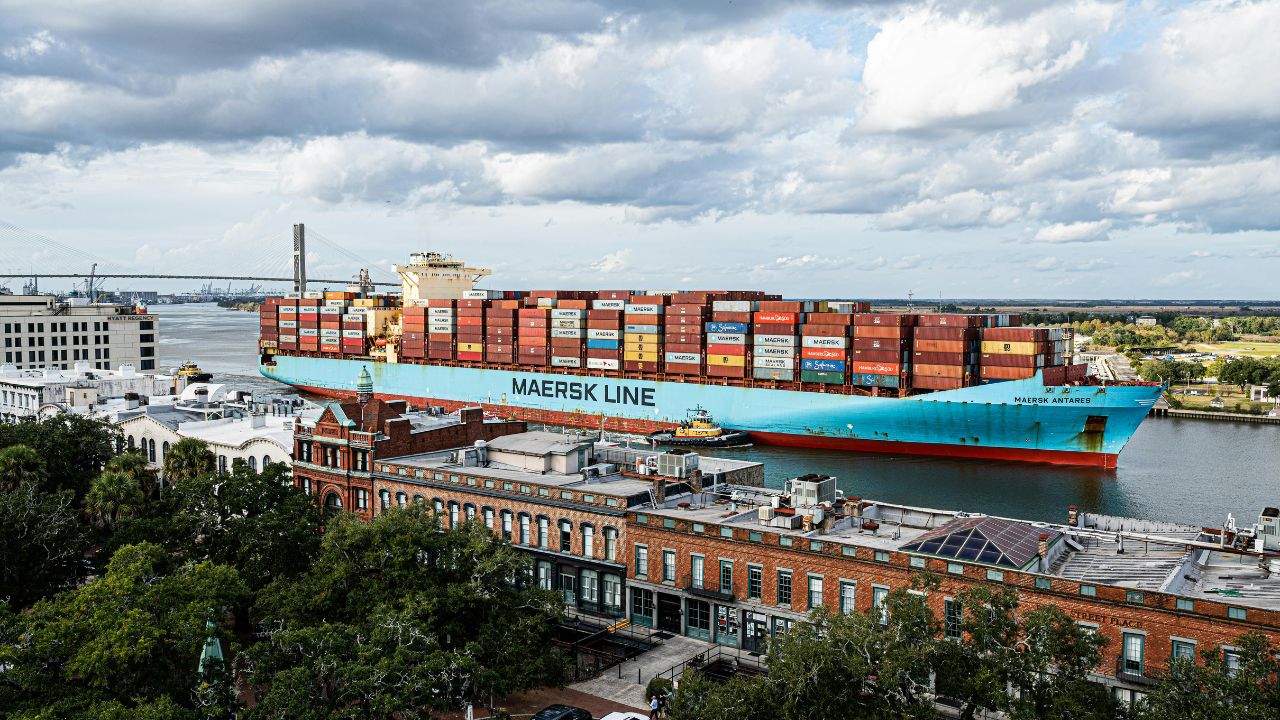
U.S. West Coast (USWC) gateways remain an important watchpoint. This is because volumes through Los Angeles continue to contribute to North American terminal activity. Customers may need to factor in the potential for extended terminal processing times at USWC seaports, especially when planning shipments.
North America-Africa corridor
The corridor is entering its peak season cycle. Cut flower volumes from West Africa (WAF) into Mexico are presently strong. This is while South Africa (SAF) is on the threshold of commencing its citrus reefer season into the U.S. as well as Canada.
Canada: reducing risk
Tariff changes & enforcement shifts, as well as policy decisions, may turn a previously reliable trade lane into an operational & financial liability almost overnight. In such an environment, Canada may be emerging as a credible reliability hedge. Managing Director of Maersk Canada, Michelle Grose, shared her views on the value of introducing controlled flexibility into networks that were created for efficiency.
Less than Container Load (LCL)
The Less-than-Container Load (LCL) market has stabilised in a phase of operational optimisation. Capacity is available across most corridors. However, demand remains uneven. This situation is due to ongoing inventory corrections as well as shifting sourcing patterns. LCL is also increasingly being used as the primary entry point. This trend is for shippers diversifying trade flows from China to Southeast Asia.
Airfreight
The ongoing conflict in the Middle East has introduced volatility. This situation is impacting global air capacity. Due to maritime diversions, there is a measurable spike in sea-air conversions. Cargoes originating in Southeast Asia are increasingly opting for air gateways to buffer against extended ocean transit times. This shift has led to a concentration of volume at major transit hubs such as Dubai, besides Singapore. Intermittent capacity bottlenecks and extended lead times are affecting transhipment cargoes destined for North America.