
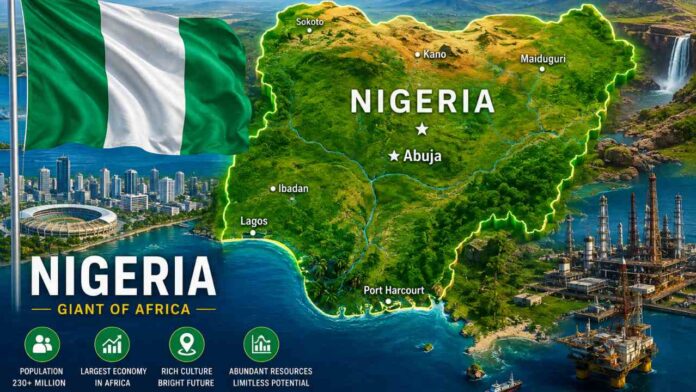

BUA Group is a Nigerian conglomerate headed by Africa’s third-richest billionaire, Abdul Samad Rabiu. The conglomerate is investing USD 85 million to expand its Port Harcourt terminal. BUA Group intends positioning the facility to handle well over 2 million tonnes of imported raw materials annually. This is as the conglomerate scales up its food manufacturing business.
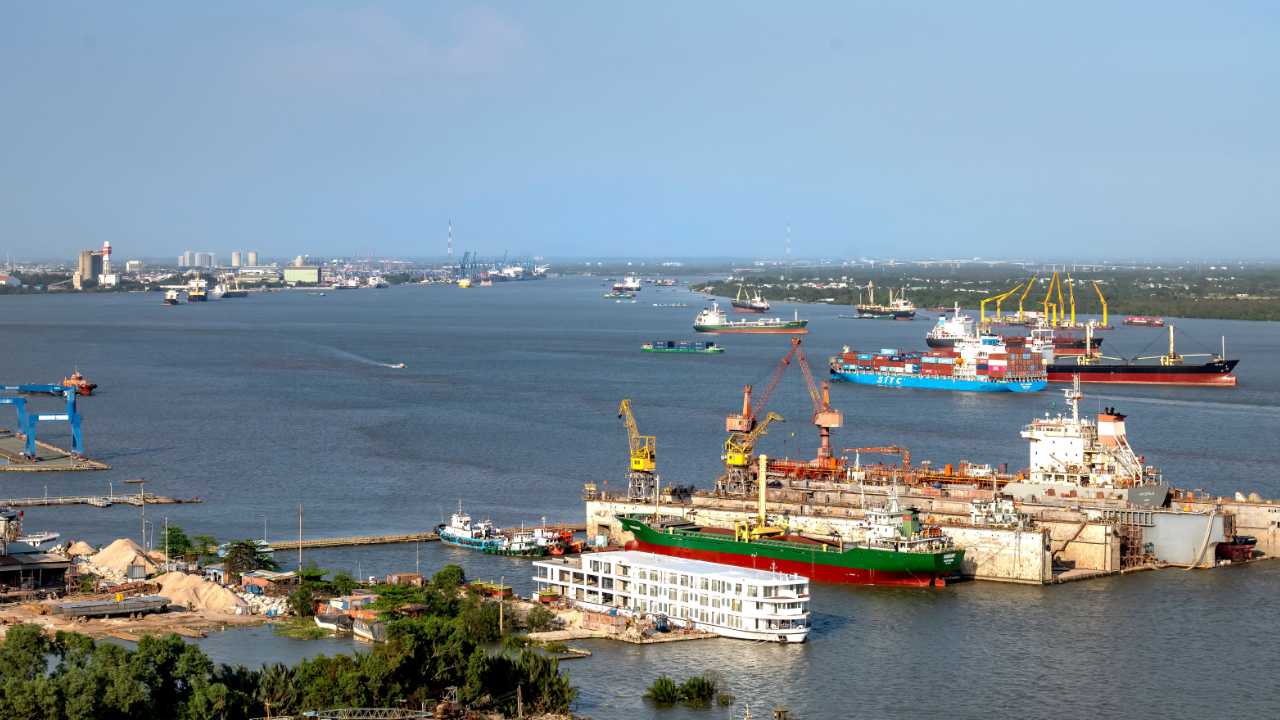
The project may add 600 metres of quay frontage. This may enable larger vessels to dock as well as strengthen logistics for BUA Foods besides the wider group.
This expansion is expected to boost cargo volumes and improve supply chain efficiency besides supporting Nigeria’s efforts in developing its eastern ports.
This investment underscores the growing importance of logistics infrastructure in supporting Africa’s expanding manufacturing, besides consumer goods sectors.
Rabiu announced the intended expansion project during a visit to the Nigerian Ports Authority (NPA). It’s expected to be completed next year. It forms part of the firm’s broader strategy to strengthen its logistics infrastructure. The expansion is due to the growing demand for sugar, flour, pasta, edible oils, and other food products.
According to Rabiu, the project may add about 600 metres of quay frontage. This may permit the terminal to receive larger vessels. Also to significantly increase cargo-handling capacity.
Once completed, the facility may serve as a key gateway for raw materials feeding BUA Foods’ expanding operations at Port Harcourt.
This investment highlights the increasingly strategic role of logistics in Africa’s manufacturing sector. It’s where enterprises are investing not only in factories but also in the infrastructure required to secure supply chains. Additionally, it aims to reduce transport expenses while improving operational efficiency.
For BUA, the expanded terminal may support more than merely its food business. Rabiu inferred that the upgraded facility may also strengthen logistics across the group’s cement, mining, and infrastructure, besides other industrial operations. This gives the conglomerate enhanced control over the movement of bulk cargo.
The investment also represents a significant boost for Nigeria’s eastern ports. These have historically handled less cargo than Lagos-based facilities. This is despite repeated government efforts to spread maritime traffic more evenly across the country.
Nigerian Ports Authority Managing Director Abubakar Dantsoho said that the project is expected to deliver double-digit growth in cargo throughput and revenue while improving the competitiveness of Nigeria’s port system.
Dantsoho added that higher cargo volumes may generate additional foreign exchange earnings, besides government revenue, while supporting broader economic activity.
The expansion develops on BUA’s longer-term investment strategy in Port Harcourt. The enterprise previously invested heavily in upgrading the terminal after securing the concession for Rivers Port Terminal B. This positions it as an alternative gateway for bulk cargo outside Lagos.
Nigeria’s port infrastructure has become increasingly important as manufacturers seek to reduce logistics bottlenecks that have long increased operational costs.
Congestion adjacent to Lagos ports has encouraged both the government and private investors to improve facilities elsewhere, particularly along the eastern corridor.
Owning and expanding its port infrastructure benefits the BUA by giving it greater control over one of the most critical parts of its supply chain.
As its food business continues to grow, the ability to import millions of tonnes of raw materials efficiently may become an important competitive advantage. This is in Nigeria’s fast-growing consumer goods market.
The USD 85 million expansion of BUA Ports and Terminals in Port Harcourt represents more than an infrastructure upgrade—it is a strategic investment in the next phase of BUA Group’s industrial growth. With the project expected to add about 600 metres of quay frontage and enable the handling of more than 2 million tonnes of imported raw materials annually, the enlarged facility should strengthen BUA Foods’ supply chain while supporting wider cargo activity at Nigeria’s eastern ports. Business Insider Africa’s report As Nigeria seeks more efficient trade infrastructure, BUA’s investment highlights the growing role of private capital in expanding the country’s manufacturing and logistics capacity.