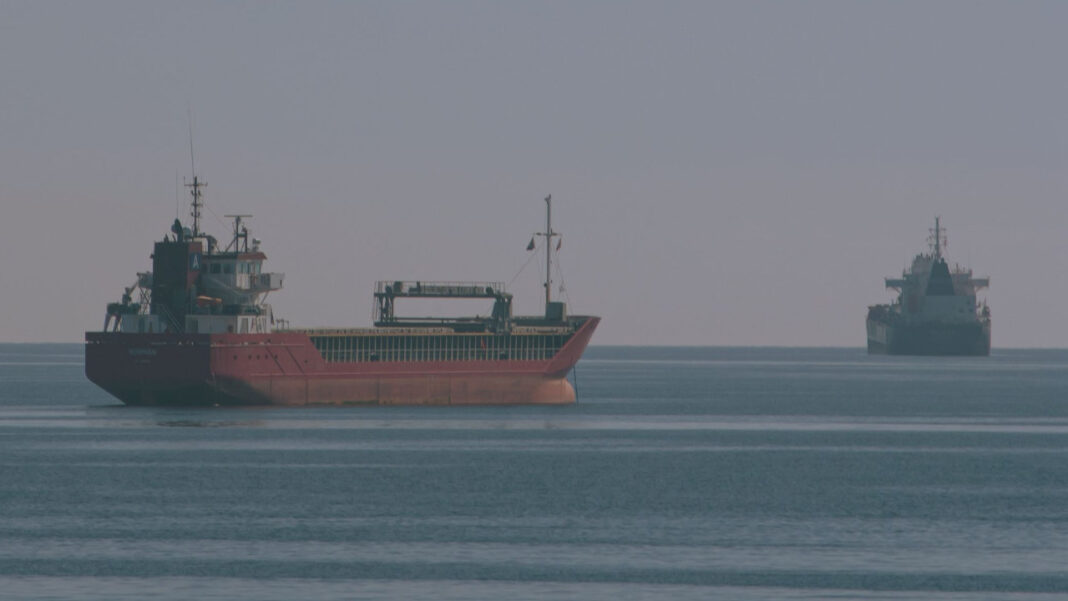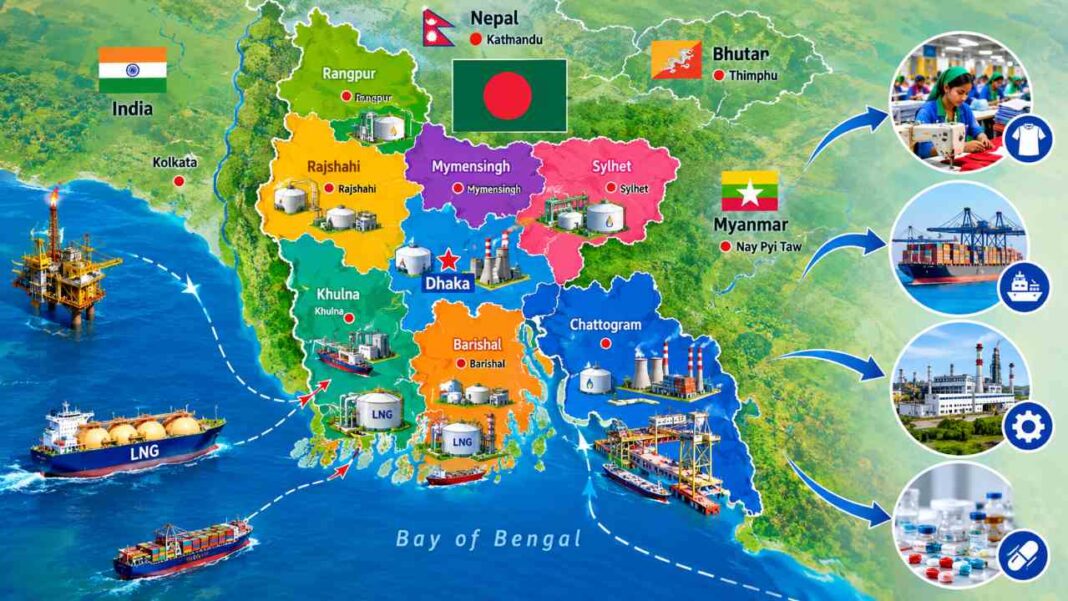

Rising LNG prices, disrupted shipping routes, and shortages of imported gas are putting fresh pressure on Bangladesh’s power sector, factories, and consumers.
Bangladesh is facing a renewed energy squeeze as the widening Gulf crisis disrupts international fuel and liquefied natural gas (LNG) supplies, exposing the risks faced by an economy that has become increasingly dependent on imported energy.
The disruption has come at a particularly difficult moment for Bangladesh. The country relies on imported LNG for more than 40% of its electricity generation, making reliable deliveries crucial to keeping power stations operating and industrial users supplied with gas. Reuters reported on Thursday, 17 September, that disruptions affecting shipments from Qatar and wider instability around the Strait of Hormuz and the Red Sea had pushed Asian spot LNG prices towards USD 30 for each million British thermal units.
For Bangladesh, the problem is not simply higher international prices. Physical availability has also become a concern. Qatar has traditionally been an important source of LNG for the country, and disruptions to shipments have forced Bangladesh to compete more aggressively for alternative cargoes in the international market.
The consequences seem to be extending beyond the energy sector already.
Factories pressurized
Gas shortages have affected industrial production, with manufacturers reporting challenges in sustaining normal operations. Bangladesh’s garment industry, one of the country’s most important export sectors, is particularly sensitive to interruptions in electricity and gas supplies because factories depend on continuous energy for production, boilers, and other industrial equipment.
Reuters reported that gas shortages had compelled some factories to reduce production or temporarily halt operations.
That creates a wider economic problem. Every interruption in factory activity can affect export schedules, employment, transport demand, and the incomes of workers and businesses connected to manufacturing.
Households are also feeling the pressure. Energy shortages may translate into unreliable electricity supplies, reduced gas availability, and higher transportation costs. The greater the likelihood that higher import costs may feed through into domestic prices, the longer international fuel markets remain destabilised.
Bangladesh’s surging fuel-import expenses have highlighted the country’s economic vulnerability. Bangladesh’s fuel import bill surged sharply during the 2025-26 financial year, as disclosed recently by the Daily Star. This is amid higher international energy prices.
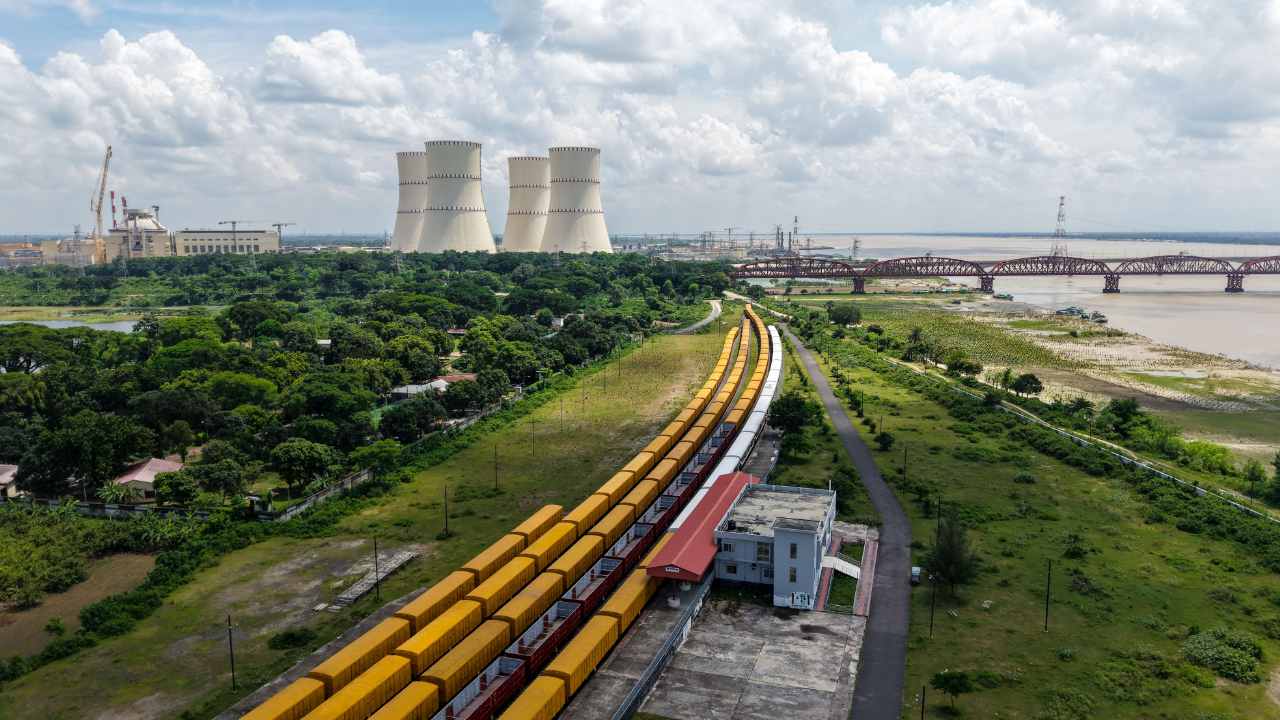
LNG becomes a costly emergency purchase
The immediate challenge for Dhaka is to secure enough gas without allowing emergency purchases to place an unsustainable burden on public finances.
Bangladesh has increasingly turned to the spot LNG market when contracted supplies have been insufficient. That strategy can provide short-term relief, but spot cargoes are vulnerable to international price movements and competition from wealthier Asian and European buyers.
A Reuters report published this month said Asian LNG demand is expected to decline in 2026 because the conflict has reduced available supply and pushed prices substantially higher. The report also noted that Bangladesh and India have remained relatively resilient LNG buyers because of their continuing energy needs.
Bangladesh’s dependence on Qatar makes the disruption especially significant. The Business Standard reported in July that QatarEnergy had warned it might deliver only half of its contracted LNG cargoes to Bangladesh during 2026.
The situation has encouraged Bangladesh to search for alternative suppliers, including greater purchases from the United States (U.S.). According to The Business Standard, Bangladesh became the 17th-largest importer of US LNG during the first half of 2026. Imports surged substantially due to disruptions in traditional supplies.
Pressure on the national budget
The energy shock is also becoming a fiscal issue.
Bangladesh must balance the need to keep electricity generation and essential industries operating against the cost of buying expensive imported fuel. Higher LNG and petroleum prices can increase government subsidy requirements, while more expensive imports place pressure on foreign-exchange reserves.
Recent Bangladeshi reporting has put the additional fuel-import cost associated with the Middle East crisis at several billion dollars. Finance Minister Amir Khosru Mahmud Chowdhury was reported by The Business Standard as estimating an additional USD 4 billion to USD 5 billion burden on the country’s fuel import bill.
That additional expenditure comes at a time when Bangladesh also needs to finance industrial investment, infrastructure, food imports, and other essential requirements.
A longer-term warning
The current disruption is therefore exposing a structural weakness rather than creating an entirely new problem.
Analysts have repeatedly warned that Bangladesh’s heavy reliance on imported fossil fuels leaves the economy vulnerable to events over which Dhaka has little control. Zero Carbon Analytics recently estimated that Bangladesh’s fossil fuel import bill may surge by about USD 2.8 billion in 2026 if elevated oil, gas, and coal prices persist.
The Institute for Energy Economics and Financial Analysis (IEE&FA) has likewise argued that Bangladesh’s highly import-dependent energy system requires a broader strategic response involving renewable energy, efficiency improvements, reduced system losses, and more disciplined energy spending.
The Gulf crisis has consequently revived the debate over how quickly Bangladesh should expand domestic and renewable energy sources. Solar generation, energy efficiency, and improvements to the electricity grid cannot immediately replace imported LNG, but they may reduce exposure to international fuel shocks over time.
For now, however, Bangladesh remains caught between 2 urgent requirements: securing enough imported energy to prevent deeper disruption to households and industry and controlling the financial cost of doing so.
This experience serves as a reminder that an energy crisis thousands of kilometers away can quickly escalate into an economic problem at home. As uncertainty around Gulf shipping and LNG supplies continues, Bangladesh’s ability to secure affordable fuel will remain closely tied to developments in international energy markets.