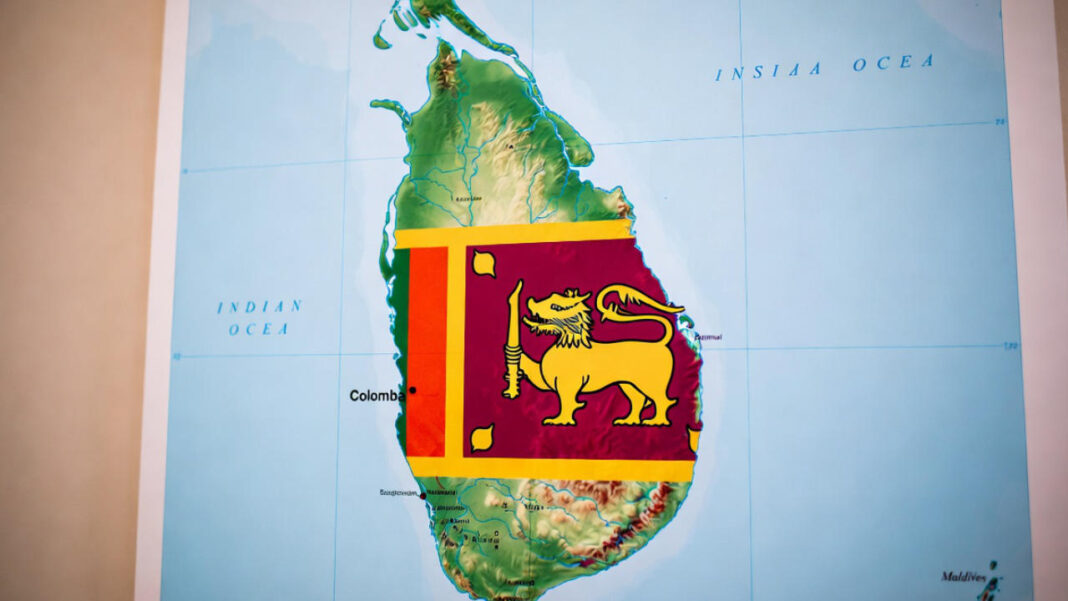

A high-stakes shipyard deal is probably reshaping Sri Lanka’s strategic future. It raised urgent questions about sovereignty, influence, & power in the Indian Ocean.
In a move that may already be sending ripples across the strategic landscape of the Indian Ocean, Mazagon Dock Shipbuilders Limited (MDL) of India has secured a controlling 51% stake in Colombo Dockyard PLC. This effectively transforms Sri Lanka’s largest shipyard into a subsidiary of India’s leading defense public sector enterprise. The investment is valued at USD 26.8 million. The acquisition marks MDL’s first major international expansion and signals a decisive shift in India’s maritime ambitions beyond its shores.
Announced simultaneously in both Mumbai & Colombo on Thursday, 9 April ’26, the deal is being positioned by Indian authorities as a commercial and strategic milestone. The acquisition is aligned with long-term maritime goals under the Maritime Amrit Kaal Vision ’47. It is perceived as an investment driven by growth & cooperation, particularly in the context of enhancing regional connectivity and fostering economic ties between India and Sri Lanka. This development has triggered renewed debate on India’s expanding footprint in Sri Lanka’s critical infrastructure. This is particularly so at a time when global powers are intensifying competition for influence in this region, which raises concerns about the geopolitical implications of India’s involvement in Sri Lanka’s infrastructure development.
The transition of the Colombo Dockyard into an MDL controlled one has already brought about immediate institutional changes. The board has been restructured under Indian leadership. Captain Jagmohan has been appointed as non-executive chairman. Senior MDL officials, including Biju George and Ruchir Agrawal, have joined the board. Local leadership includes Thimara S. Godakumbura, who remains involved in operational roles. Inclusion of Vish Gowindasamy of Sunshine Holdings reflects an effort to balance local participation, as his expertise and connections are expected to enhance collaboration between local and international stakeholders. This initiative is within a framework that now consolidates Indian strategic oversight.
The restructuring is perceived as not being merely administrative. Analysts suggest that control over a major shipyard in Colombo provides India with critical logistical & industrial benefits, such as enhanced naval capabilities and improved supply chain management for maritime operations in the Indian Ocean region. This is due to its proximity to major maritime routes. The Colombo port is nestled along what is considered one of the busiest shipping corridors globally. It links East Asia with Europe, besides the Middle East. With this acquisition, India secures a foothold in a location that has long been considered geopolitically sensitive and strategically valuable.
The timing of this agreement also carries with it significance. In November ’25, Colombo Dockyard secured its largest-ever shipbuilding contract with Orange Marine of France. This was valued at approximately USD 150 million. The project involves constructing two advanced cable-laying and repair vessels equipped with hybrid electric propulsion, besides the ABB Azipod systems. Deliveries are scheduled in 2 years by ’28 & the other a year later in ’29. The keel of the first vessel was already laid on April 26.
Such high-value contracts underline the commercial potential of Colombo Dockyard under its latest Indian ownership. The integration of Indian technical expertise, besides financial backing, is expected to enhance competitiveness, particularly in areas such as advanced ship design and construction techniques. This investment may enable the shipyard to attract more international orders. MDL has already outlined intentions to achieve a 20% increase in revenue & profits within the current financial year. The goal is by leveraging operational efficiencies besides new project inflows.
The implications of this investment extend far beyond commercial outcomes. A memorandum of understanding (MoU) signed on Tuesday, 7 April ’26, between Colombo Dockyard & the Dredging Corporation of India positions the facility as a preferred partner. The facility is for dredging, repair, & maintenance services. India’s High Commissioner to Sri Lanka, Santosh Jha, witnessed this event. This agreement is widely considered a step towards integrating Sri Lanka more deeply into India’s maritime services network.
More engagements with the Shipping Corporation of India are expected to channel vessel repair, besides refit operations, to Colombo. This may effectively transform the dockyard into a regional hub that is aligned with Indian maritime interests. This growing web of partnerships displays a broader strategy. The goal is to establish a cross-border maritime corridor anchored in Indian influence throughout the Indian Ocean.